Third Places can counter the steadily growing social isolation and loneliness that our communities are faced with.
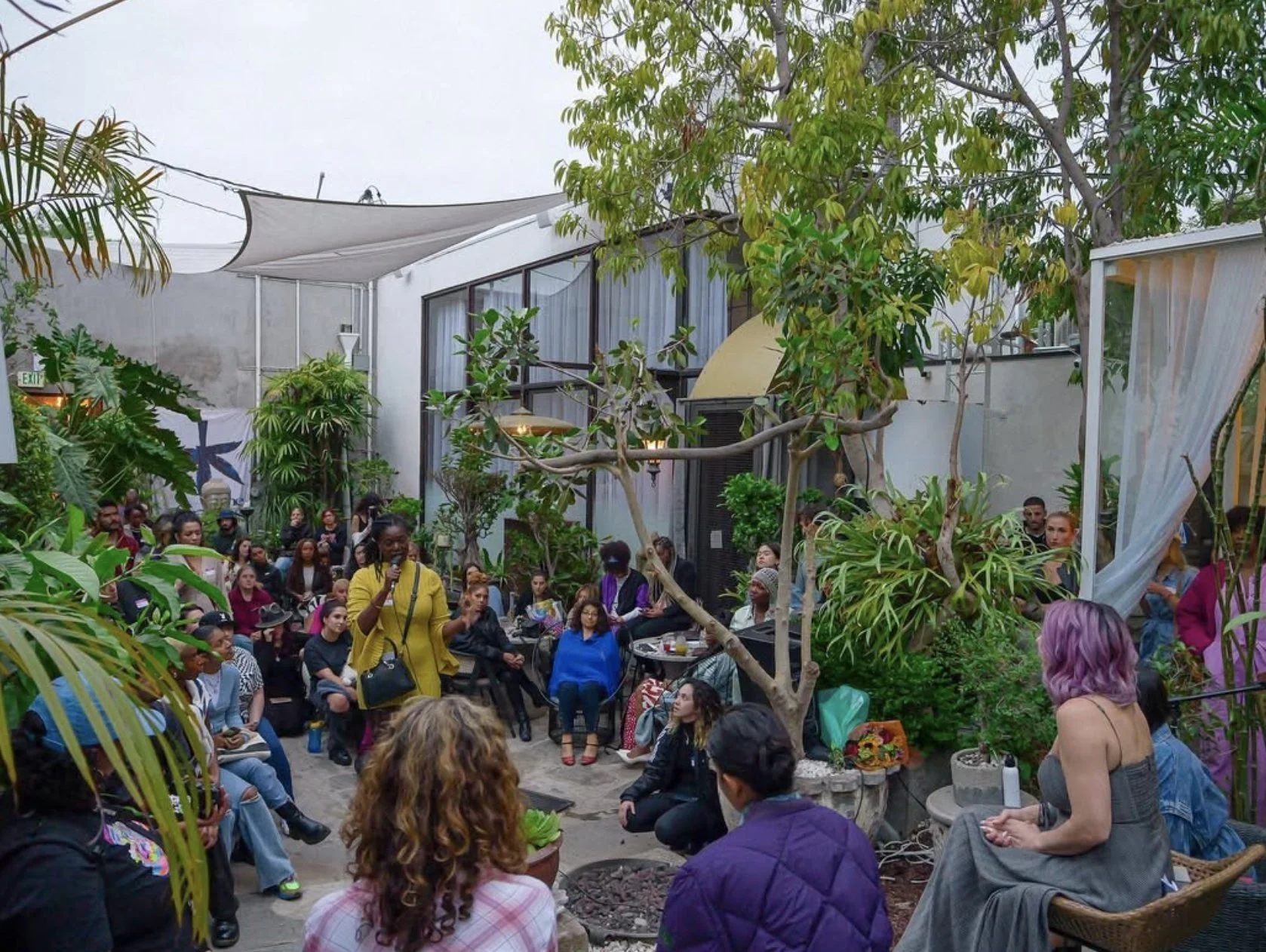
Access to third places has been found to have socio-emotional and neurological benefits for all people, but especially for young adults, who are already developmentally vulnerable.
Higher concentrations and availability of third places improve the perception of quality of life for all community residents and have been found to reduce feelings of loneliness and social isolation.
Third places are critical for creating opportunities for individuals to build social capital, find resources, and foster social mobility.
However, third places are inequitably distributed, and poverty is associated with lower third place access.
Socially isolated people who have limited resources end up on the outside looking in, unable to access the places that would address their isolation.