
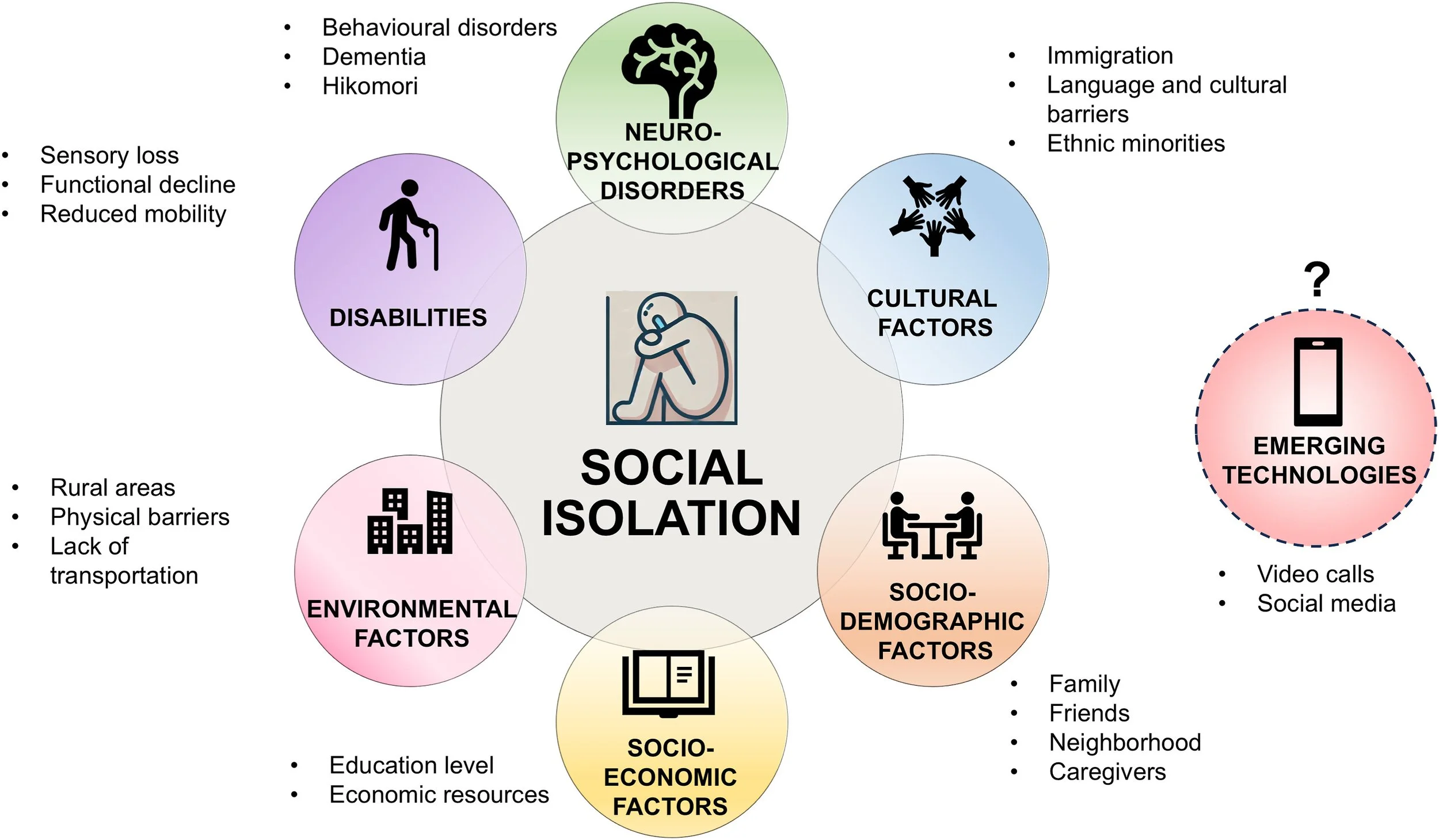
Alongside the decline of Third Places is a troubling increase social isolation.
Social isolation extends beyond loneliness, which is a transient feeling state of disconnection and longing for contact and connection with others. It encompasses a lack of social support or a social network, barriers to social integration, and leads to increased feelings of loneliness. Social isolation is pervasive strongly influenced by health conditions, socioeconomics, and the environment, and has grown exponentially since the turn of the century.
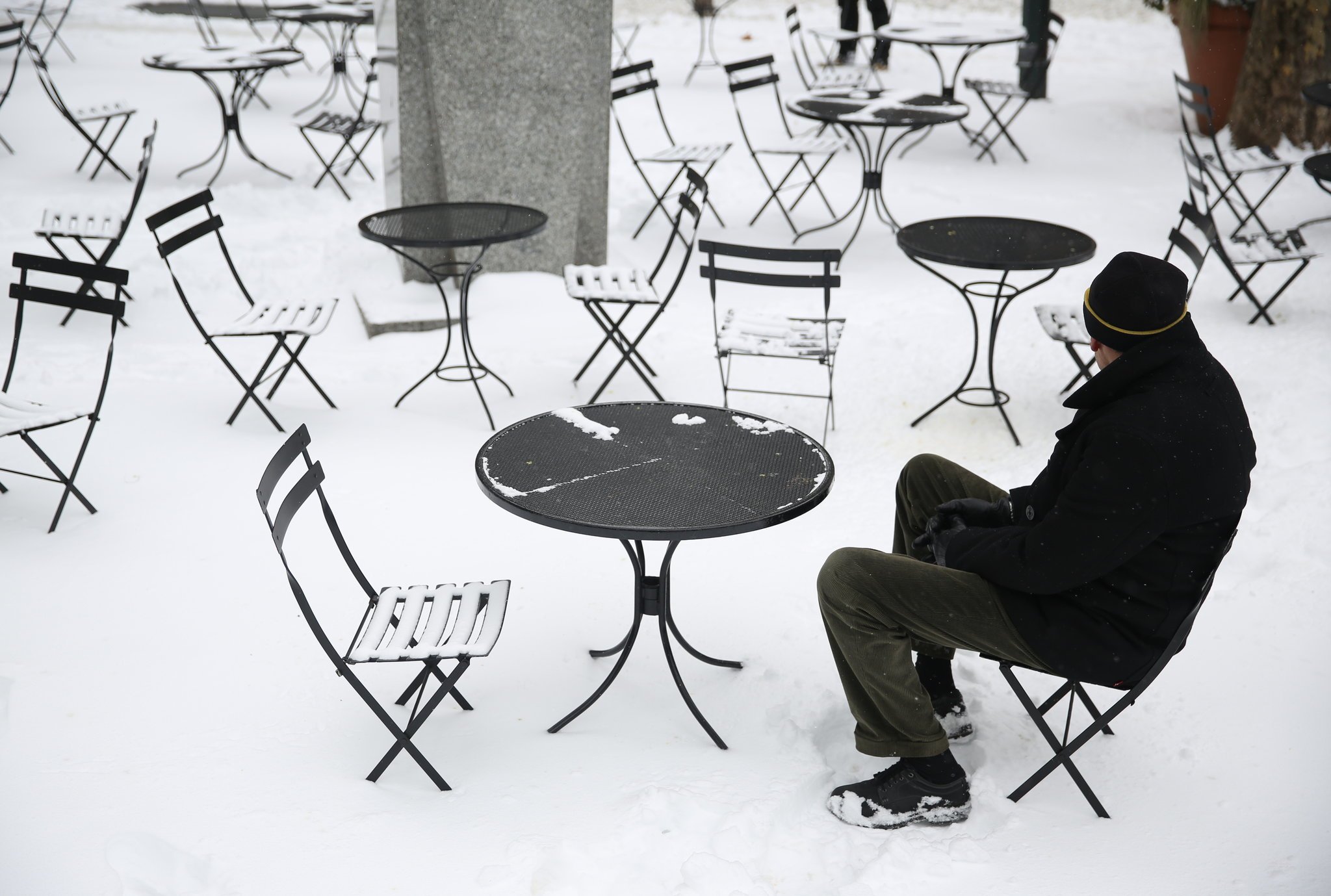
The consequences of social isolation are devastating:
Early experiences of social isolation put youth at higher risk of developing schizophrenia, bipolar disorder, and other mental disorders.
Biological pathways link social connectedness with cardiovascular and neuroendocrine pathways and puts individuals at a greater risk for gut microbial issues, heart disease, and cancer.
Individuals who are socially isolated have increased rates of depression and suicide and reduced rates of employment and educational attainment.
They are more likely to be obese, experience higher levels of stress, and have a reduced lifespan across all age groups and populations.
Socially isolated individuals are more likely to engage in substance use, risky sexual behavior, and acts of violence.
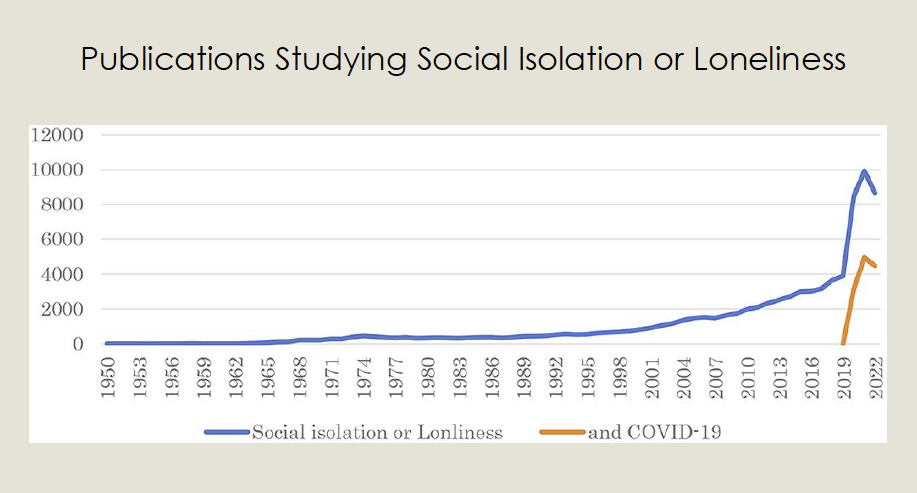
The problem has only recently started to attract serious attention from researchers.

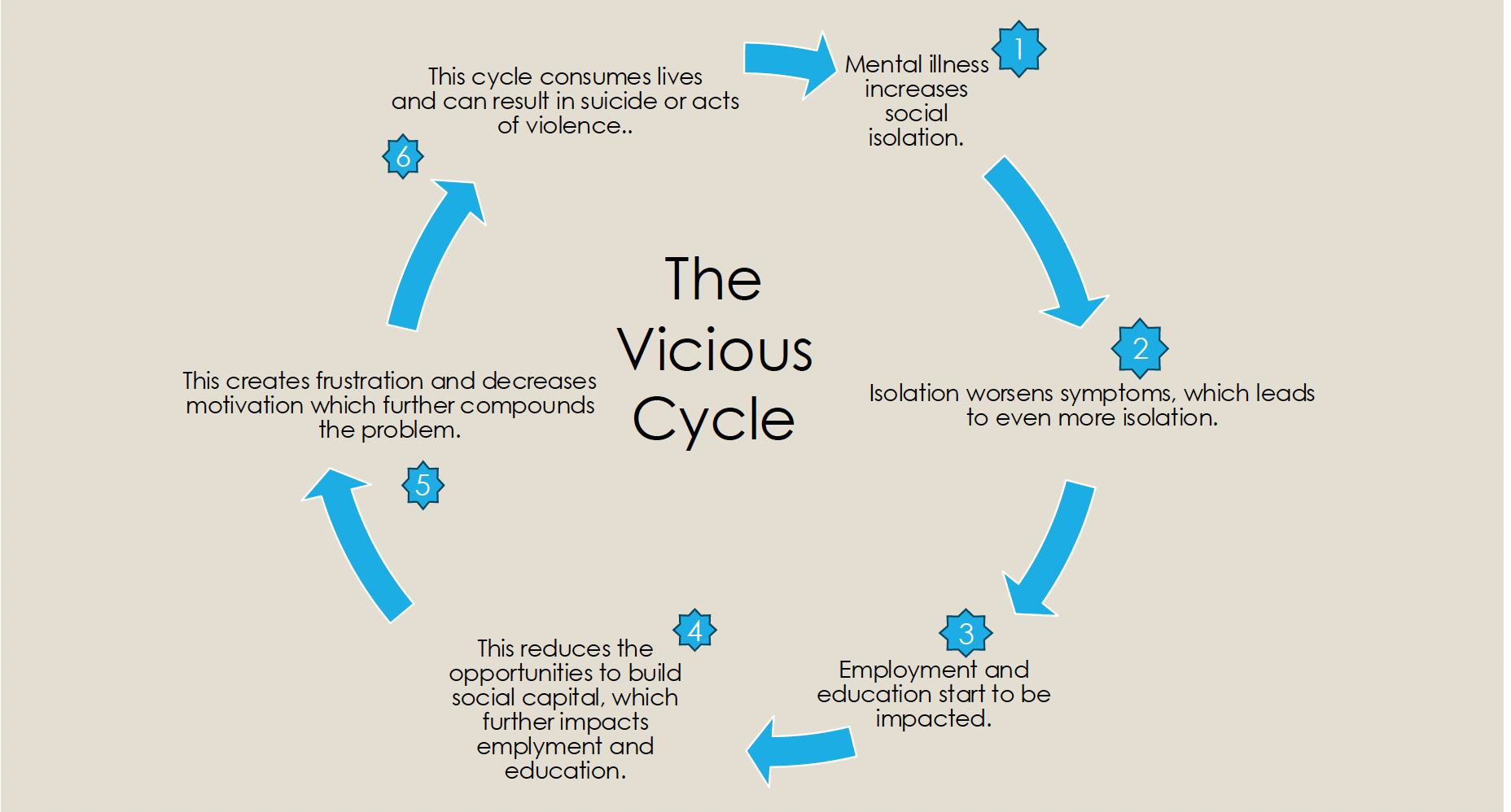
Left unchecked, social Isolation leads to a vicious cycle.
However, Third Places have the power to break through this cycle. Click here to see how.