
Third Places, Johnson County, and Spatial Inequities.
These four barriers are:
Lack of reliable public transportation.
Cost of entry to most third places in the county, especially community community centers.
Corporate and profit-driven interests pushing out community-focused Third Places.
Lack of knowledge about Third Places and the benefits they provide.
Interviewees identified four core barriers to Third Place access and development in Johnson County that create spatial inequities.
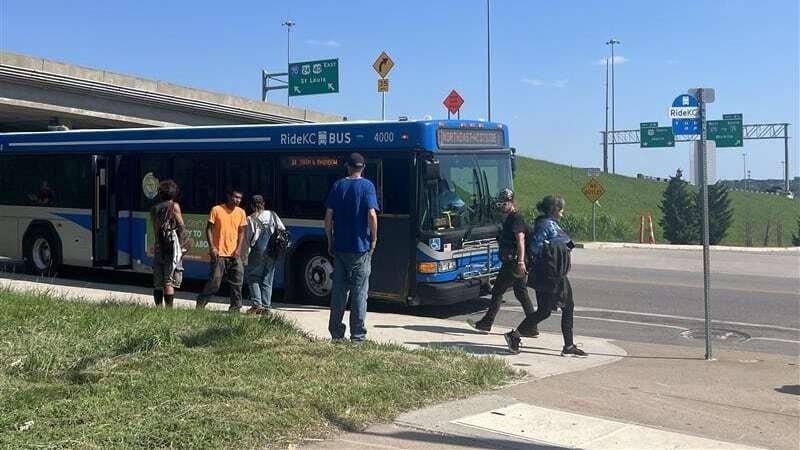
Public Transportation was consistently cited as an enormous barrier to low-income residents accessing Third Places.
“Last week I was at a meeting with our community partners and the concern that kept coming up from everyone, folks who are serving kids, single moms, the houseless, was transportation. There's just not accessible transportation in Johnson County that can get folks to the resources that they need.”
-JOCO Librarian”
“Safe, reliable transportation is an issue for everybody. You've got the transportation, you can get to the library, you can apply for the job. That stuff starts to add up. Some jobs. If you don't have a car, they won't hire you."
- Johnson County Mental Health Staff
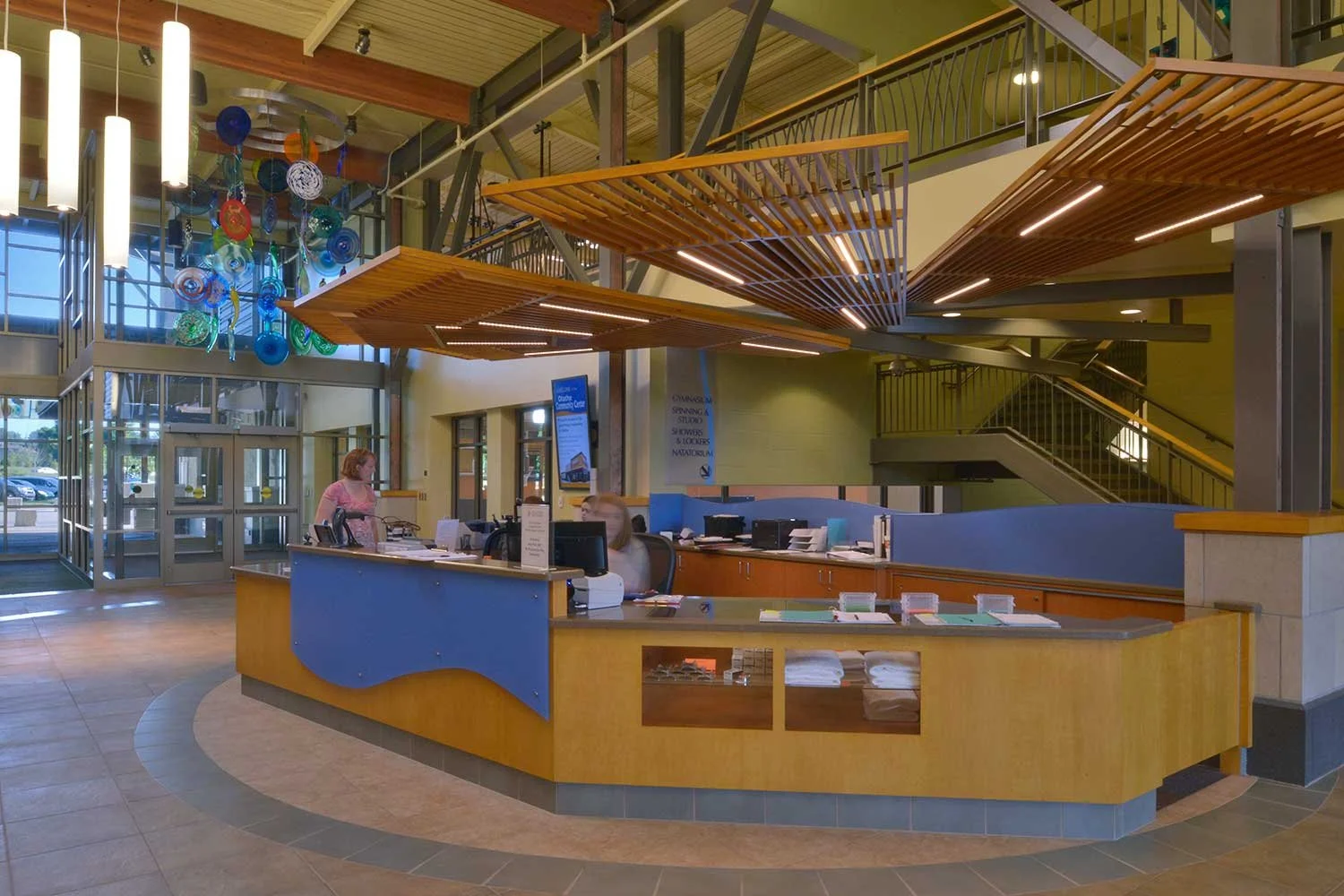
Many interviewees touched on how the Cost of Entry of most Third Places in Johnson County greatly reduced the benefits to the community.
"I used to go to a community center in Johnson County, but It's like a luxury gym now. It doesn't feel like the community center that I grew up with in Lawrence. There's a big desk right up front where they make sure you pay."
-Anonymous Student
"For me, the need to pay is a big thing. I know that there are cafes, salons, barbershops, and other places like that where people get to be social and be part of a community. But ultimately, It's almost like there needs to be a 4th space where you can just go there and be there and there's no expectation to pay anything whatsoever."
-JCPRD Employee
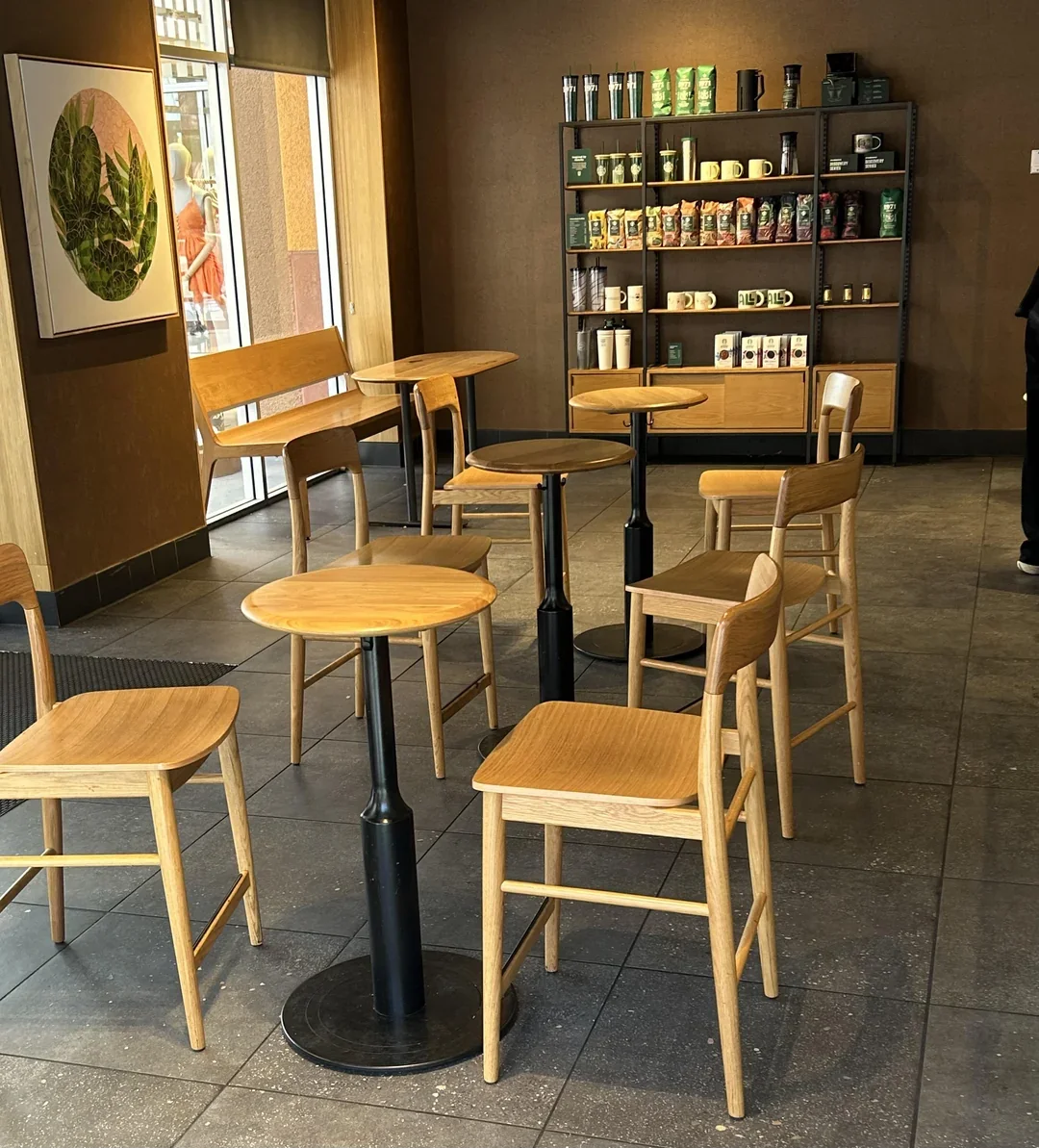
One small business owner described the difficulty of trying to remain a community-focused space while competing with large corporations.
"The original owner built the business to be a place of community. She had gone through some very tough times and had a community around her, that she felt like had helped her to survive a very tough time. And so she wanted a place where the community could come and feel that. But just coming out of the pandemic, the original owner decided she had had enough and was going to retire."
-Café Owner
"We became really good friends with the restaurant a block away from us, but unfortunately that's one of the buildings that was torn down because of the construction for the highway. The bridge will be down for 18 months, which is one of those situations where I try to communicate to our city leaders and ask if they understand how that impacts the small business versus the corporate businesses. We don't have the same giant bank account to support losing business for 18 months."
-Café Owner